
Pre-listing prep
Before you spend a dollar getting ready to sell.
The real question isn't whether to paint the cabinets. It's whether you're about to sink money into this house and never see it again. Fix everything and you overspend. Fix nothing and buyers do the math for you, and they always do it high.
Tell me what's worth fixingBuyers do renovation math in their heads
Every buyer who walks through your home is running numbers. Dark floors: new flooring. Dated kitchen: new counters, maybe cabinets. A stain on the ceiling: what else is wrong? And buyers always do that math high, because they're guessing, and because they don't want to be wrong.
Then they subtract it from what they'd pay for your house. Usually more than the fix would actually cost you.
The expensive mistake isn't fixing the wrong thing
It's spending too much on the right one. Most sellers I meet aren't wasting money on things buyers don't care about. They're putting more into a project than a buyer will ever pay back, and expecting the return to show up in the price. It rarely shows up in full.
And skipping prep has a price of its own right now. In this market, I'm seeing seller concessions higher than I have in a long time. Whatever you don't fix before you list, a buyer will often ask you to pay for after the inspection, at their estimate, not yours.
Buyers don't price your house at what a fix would cost you. They price it at what they're afraid it will cost them.
How I decide what's worth fixing
Everything I recommend comes back to that fear math. If a buyer will notice it and price it high, it's worth fixing. If they won't, keep your wallet shut. I walk the house looking at three places where that math happens.
The photos. Most buyers meet your home online first. Anything that looks dark, dated or damaged in a photo costs you showings before anyone walks in.
The first five minutes of a showing. Smell, light, clutter, wear. The things that make a buyer start doing renovation math at the front door.
The inspection. Repairs an inspector is likely to write up are often cheaper to handle before you list than to negotiate after a buyer's report lands, when you're paying their number.
Everything else, I'll tell you to leave alone. A buyer would rather choose their own finishes than pay you for yours.
What that looked like on Baywood Run
A 2017 home near Lake Lanier sat on the market for months. Buyers kept saying the same thing: the house felt dark. Espresso floors, espresso cabinets, builder-grade counters, in a home with floor-to-ceiling windows. We took it off the market and put about $20,000 into exactly what buyers were reacting to: lighter floors, fresh paint, painted cabinets, new counters and a new backsplash. Nothing else.
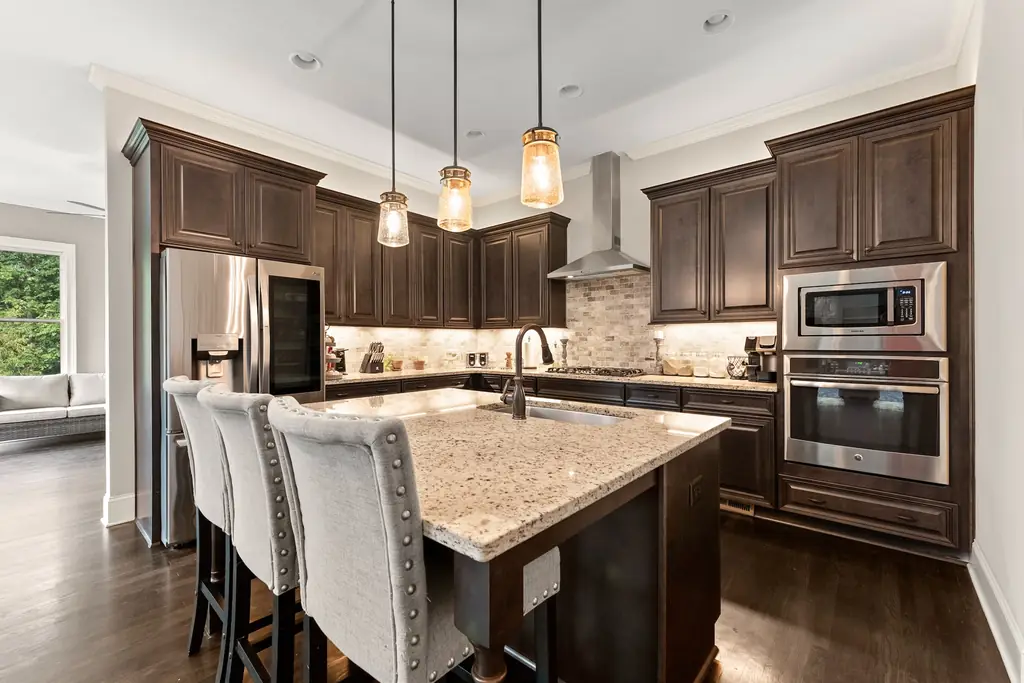
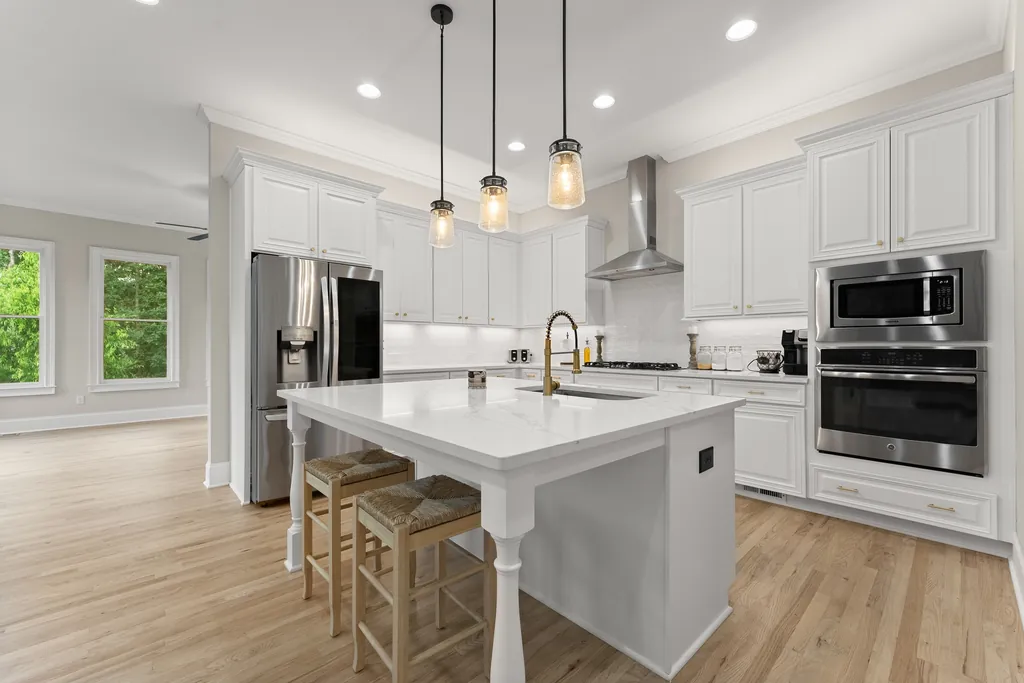
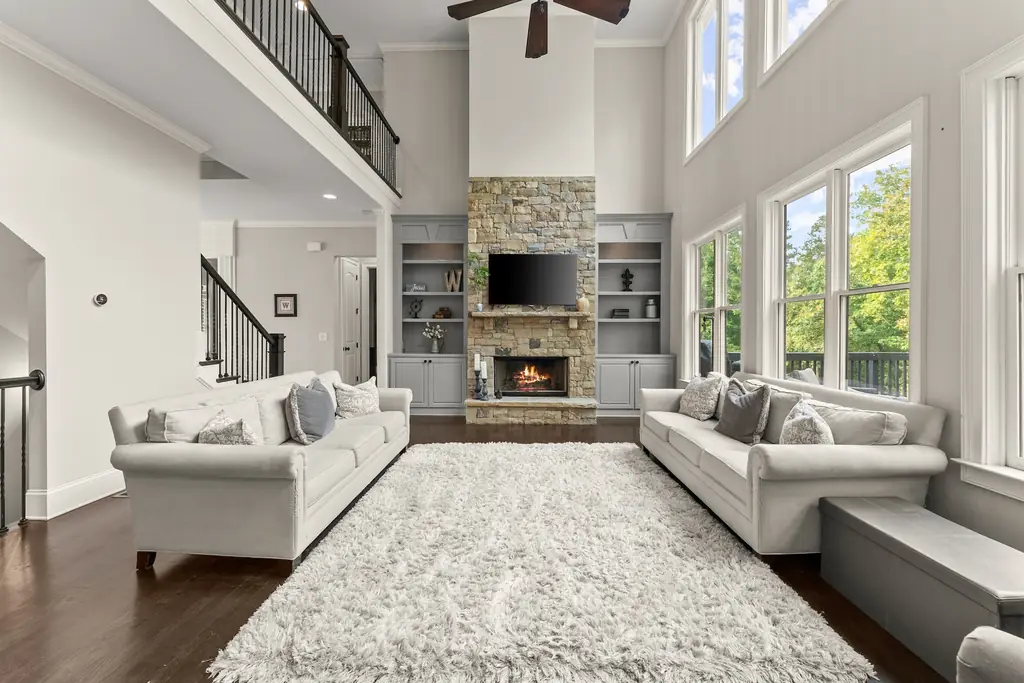
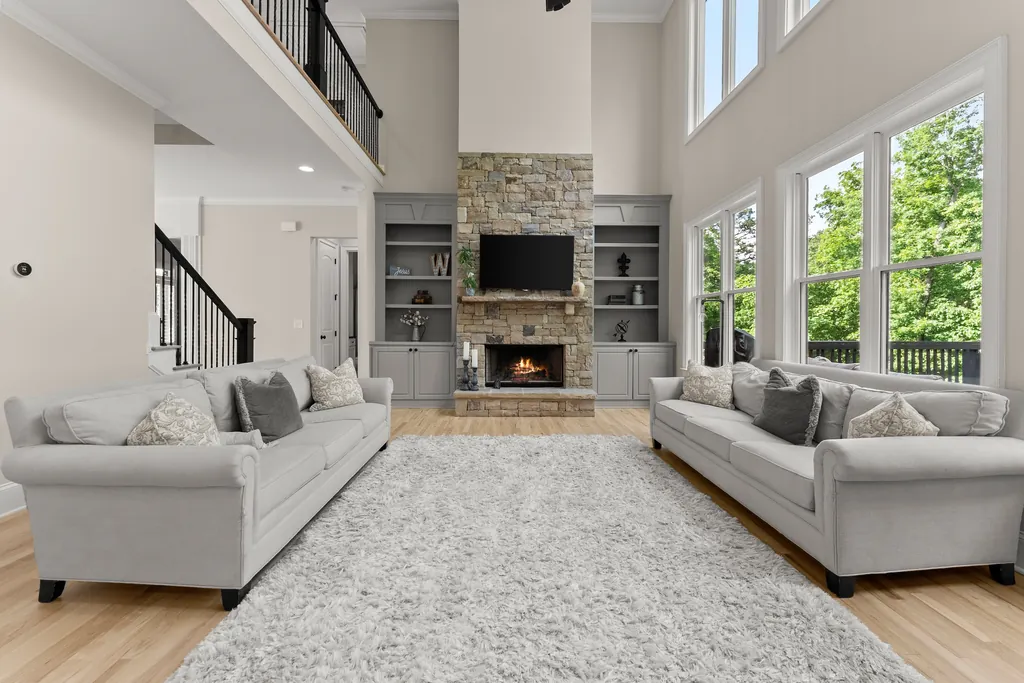
Rates were rising and the market was moving down the whole time, so the refresh didn't make the sellers more money than they'd hoped for. What it did was the thing nothing else had done in months: it got a buyer to say yes. Back on the market, under contract 43 days later.
What you get before you spend a dollar
I walk your home, in person or on video, and give you a short list: what buyers will notice, what I'd fix, what I'd leave alone, and why. Then I line up the contractors and manage the project start to finish, so you're not chasing quotes or waiting on a crew. You decide what gets done. Nothing gets spent unless it protects your price, takes away a buyer's objection, or helps get the house sold.
Prefer to text? Text Mitch at 678-679-8531
